Congratulations, You Built It. So Did Everyone Else
Building used to be the moat. Now it's the price of entry. Distribution is the moat.


You did the hard part. Then the hard part moved.
For twenty years, building was the moat.
Make software that worked, held up, shipped, and you were rare.
Rare gets paid.
Whole careers, whole fortunes, whole cities got built on that scarcity.
Now it’s an idea on Friday and a whole working product on Monday.
One person and a stack of agents doing what took a funded team a year.
If you’ve felt that power, the feeling of “I can just make it myself” you know it’s not hype.
I’m not here to talk you out of it.
I’m here to tell you what nobody put in the release notes.
The moment everyone can make the thing, making the thing stops deciding who wins.
I’ve Seen This Movie. I Was In It
I watched this movie before, in the music business.
At Columbia Records in the 90s, the “making a record” was the barrier.
Studio time, producers, budgets.
The label decided who got to record, so a finished record meant something.
Then the studio collapsed into a laptop.
Everyone could make a record, and everyone did.
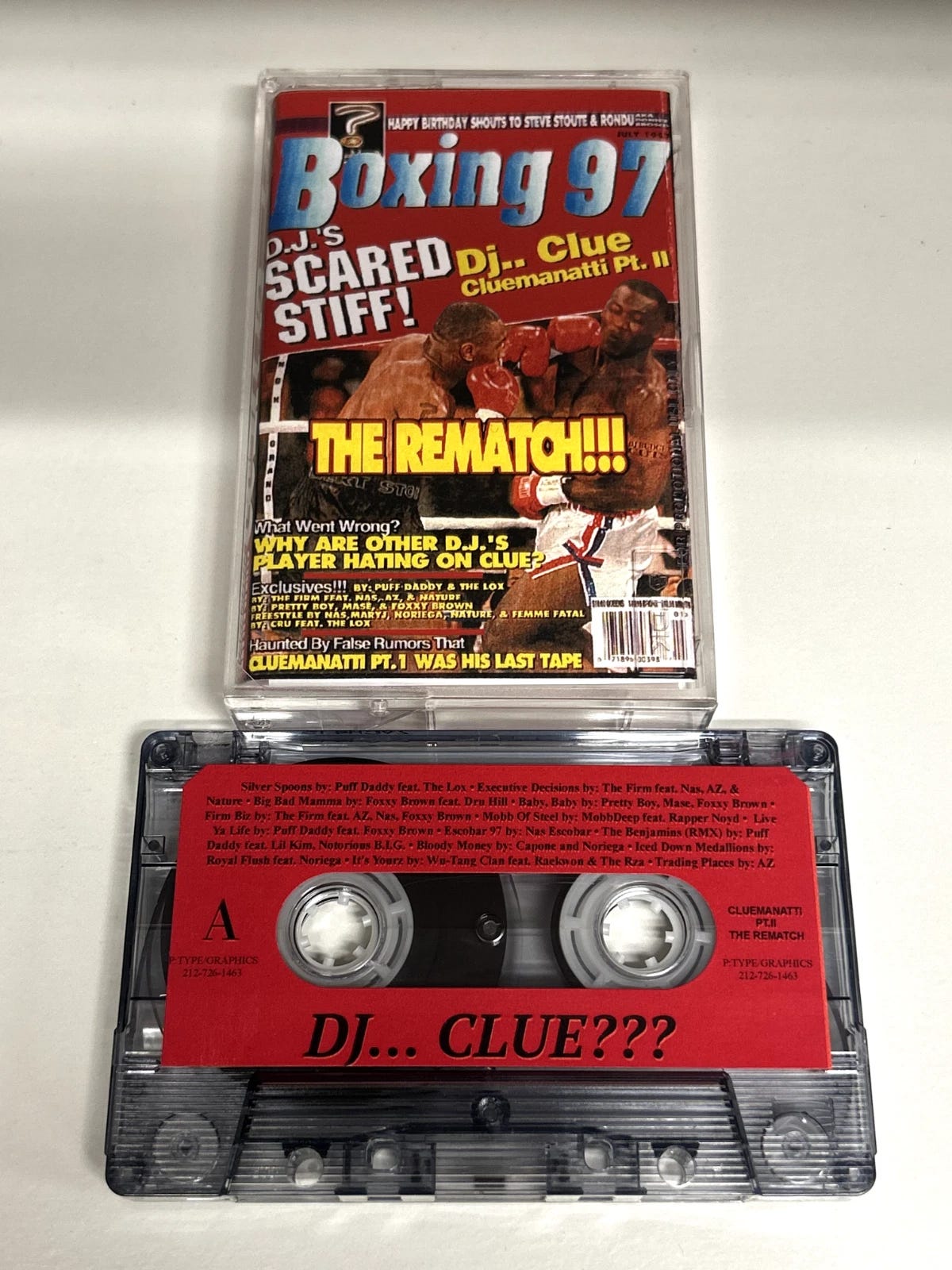
The Mixtape Was The MVP
What people forget is what happened next.
The best recording no longer guaranteed the win.
Hip hop had already figured out what Silicon Valley would later write books about.
The mixtape was the minimum viable product.
You shipped it raw, unmixed, unmastered, unapproved not because you couldn't do better, but because you needed to know what the market did with it before you spent a label budget finding out.
The streets were the beta test.
The corner, the barbershop, the mixtape DJ, the car with the trunk open that was the feedback loop.
Which record they rewound.
Which verse got quoted back to you.
Which city started asking for it first.
Build, measure, learn.
We just called it "the streets is watching."
By the time the official single dropped, the risk was already gone, demand had been proven, and the album wasn't a launch it was a scale-up.
That's the whole playbook.
Ship early, ship rough, let the audience tell you what it is, then put money behind the thing that already works.
Hip hop was running “lean startup” a decade before anyone drew it on a whiteboard, and doing it without capital, without permission, and without a safety net.
Making music went from moat to table stakes and the leverage moved to whoever could get heard and whoever could read the signal fastest.
She Owned The Shipment, I Owned The Sequence
I wasn’t studying that shift. I was running it.
At Columbia Records, I could tell Denise Gatto in shipping that the record had to leave on the seventeenth.
What Denise didn’t need to know was that Wyclef would be in that city on the nineteenth, and I already had a $350,000 Tower Records end cap retail program waiting for him.
She owned the shipment.
I owned the sequence.
The record wasn’t going to win because it arrived at the store.
It was going to win because the artist, the shelf, the city, the timing, and the attention all met in the same moment.
That was distribution before we called it a growth strategy.
Before Anyone Called An Audience An Asset
And I made the same bet for myself.
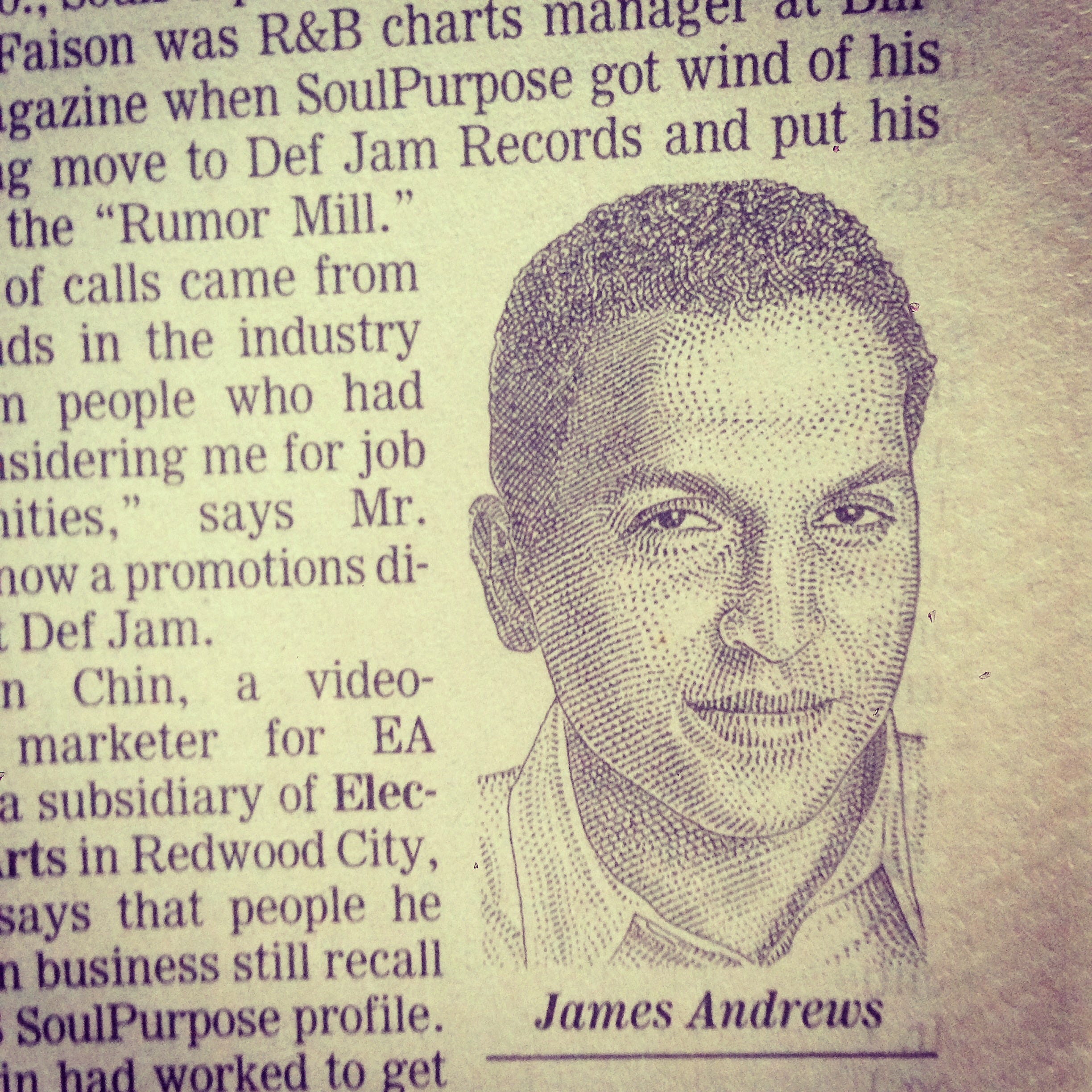
While I was still a high flying executive at Columbia, I started an underground email newsletter called Soul Purpose.
A few hundred readers at first.
It grew to 20,000 before newsletters were a business model and before anybody called an audience an asset.
No product roadmap.
No funnel.
No growth team.
A voice people trusted and a room they wanted to be in.
That audience eventually became valuable enough to sell.
Not because the email technology was special.
It wasn’t.
The value was the signal, the trust, and the people already paying attention.
I learned the lesson before I had language for it.
The audience wasn’t supporting the product.
The audience was the infrastructure that made products possible.
Glossier later ran the same play at scale: build the conversation first, then let the audience help shape the shelf.
Software just ran it again, faster.
The money has already noticed.
Investors aren’t impressed that you can make the thing.
YC’s partners said it out loud this summer.
Writing a lot of software is no longer the hard bit.
They want to know who is waiting for it.
They’re not underwriting the product.
They’re underwriting the path to the customer.
Which brings me to something I want you to sit with
Strong product, weak distribution fails quietly.
Quietly is the part that should scare you.
Bad products fail loudly.
Refunds, churn, angry users, receipts.
A great product with no distribution just disappears.
You ship.
You post the link. It goes nowhere.
No rejection letter arrives, because the market never found out you existed.
Most of the brilliant things being built right now will die this way.
Not because they were wrong, because they were invisible.
So here is the reframe.
Shipping is not founding.
Shipping is making.
Founding is being chosen, repeatedly, against a wall of near-identical alternatives, half of them free.
And being chosen isn’t a marketing problem you hire for after the build.
It’s infrastructure: the audience you can reach without asking permission, the narrative people already associate with you, the relationships that carry the signal, and the trust that compounds while feature lists depreciate.
Product still matters.
Weak product with loud distribution is hype, and hype collapses on schedule.
But product is the price of entry now, not the prize.
You learned to build because building was scarce.
You mastered it right as it became abundant.
That’s not a tragedy. It’s a timestamp.
The game moved while you were winning the last one.
So start the next one backwards.
Before you write the code, know who it’s for and how they’ll hear about it.
Build the crowd in parallel with the product, not after it.
That inversion is the whole series, and it starts here.
The builders who matter next won’t be the ones who ship fastest.
Everyone ships fast now.
They’ll be the ones who are impossible not to see.
You built it. Now go get chosen.