
How the NBA Got So Nigerian
Adam Silver did not globalize the league last night. He cashed a check he wrote in 2018

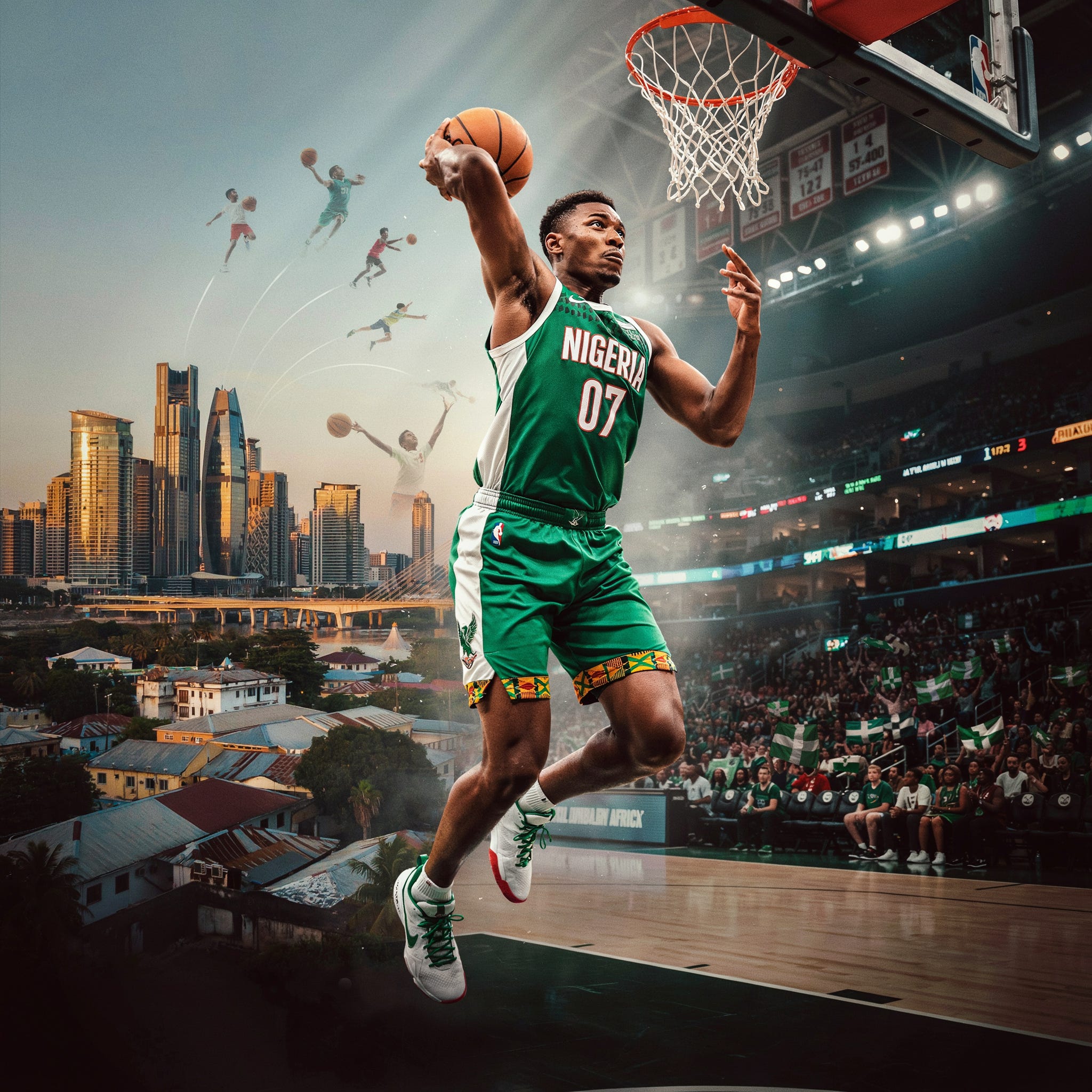
It Started in Senegal
The deepest Nigerian draft class in history was not built in Brooklyn last night.
It was built in a gym in Senegal in 2018.
That is the year the NBA opened its academy in Thies.
Nobody wrote a think piece about it then.
A handful of teenagers, pulled off soccer pitches across the continent, started running drills in a building most of you have never heard of.
Eight years later, up to ten players of Nigerian descent walked into Barclays Center with a real shot at hearing their names called.
The first returns already came in quietly: a kid from that same academy drafted in 2024, another from it drafted in 2025.
Last night was not the breakthrough.
Last night was the compounding.
This is the thing the recap missed.
The picks are the lagging indicator.
The bridge gets built years before anyone can see the traffic on it.
Put Names On It
Watch where the talent comes from now.
Most of those ten Nigerian players were not born in Lagos.
They were born in London, in Dallas, in Denver, in Orlando, raised by parents who carried the culture out and planted it somewhere new.
The diaspora did what the diaspora always does.
It traveled, it built community in rooms nobody was watching, and it raised a generation that is now flowing back up into the league.
I wrote the same sentence about Filipino basketball 10 days ago.
I will write it again about somewhere else next year.
The pattern does not change.
The culture builds the pipeline.
The institution shows up later to put its logo on it.
Put names on it.
The Hawks took Zuby Ejiofor at twenty three, born in Dallas to Nigerian parents, raised partly in Nigeria, and the leading scorer in all of American college basketball this past season.
Stanford sent Ebuka Okorie, Nigerian born, who led his conference in scoring as a freshman, to Detroit.
And this is not a wave that just arrived.
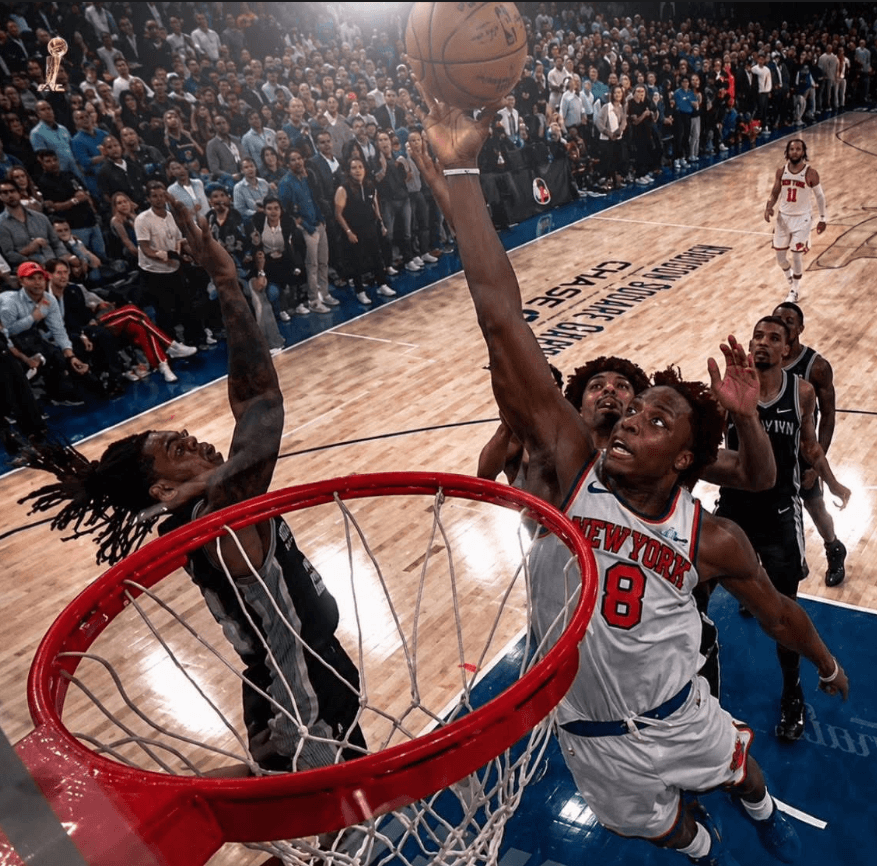
Earlier this month OG Anunoby, London born to Nigerian parents, ended the Knicks fifty three year title drought, on the back of the largest comeback in Finals history.
The diaspora is not knocking on the door.
It is already hanging banners.
The Bill Came Due
So when Adam Silver talks about a borderless league, understand what he is describing.
He is not predicting a future.
He is collecting on a bill that came due.
The academies, the camps, the development systems planted a decade ago in places the league was told would never matter, those are the asset.
This draft was the payment.
And the kids themselves are not waiting for permission anymore.
Kingston Flemings went eighth to Atlanta, and the week before the draft he did not release a highlight reel.
He published a letter to general managers about getting knocked down, in basketball and in a car accident that nearly took him out as a child.
Yaxel Lendeborg went eleventh and had already written, months earlier, about his mother fighting cancer and the work that fight pulled out of him.
AJ Dybantsa went first overall and was already on the broadcast during the Knicks playoff run, calling the game before he was old enough to be drafted into it.
They are arriving as media companies that happen to play basketball.
Here is the part nobody is saying out loud.
The rails they are running on were laid by a player too.
The Players Tribune, where those letters live, was built in 2014 by Derek Jeter, who looked at legacy sports media and decided athletes should own the microphone. Then he sold it to a media conglomerate in 2019.
So these kids are not owning their distribution.
They are renting it, on a platform an athlete built and then cashed out of.
The instinct to control the story is here.
Owning the rails it runs on is the next arena, and it is wide open.
That is the whole game for the next ten years.
Whose Name Is On the Lease
Even the most American story in the draft proves the point.
Cam Boozer went third to Memphis, a legacy pick, and it now reads as the exception.
I have been near this machine a long time.
Twenty years ago when I ran marketing at Ecko Unlimited, I worked with Glenn Chin at EA Sports to brand Darren Matsubara's AAU team out of Fresno, the one that sent the Lopez twins and Quincy Pondexter to the league.
Grassroots talent, branded early.
That was the American pipeline, and for years it was the only one running.
Now it is one of many.
Around Boozer: the first Mexican born player ever taken in the first round, and a German big carrying Dirk Nowitzki's lineage, mentored by Dirk himself.
The American story did not disappear last night.
It just stopped being the only one in the room.
I have a rule I say to anyone trying to build anything global.
If you do not have an Africa strategy, I do not take you seriously.
Not a tourism plan.
Not a photo op.
A strategy.
The NBA had one in 2018, and last night it got paid.
Most brands sitting in this audience still do not, and they are already late, and they do not feel late yet, which is the most expensive place to be.
One last thing.
That academy in Senegal has a league logo on the door.
The coach who pulled a teenager off a soccer pitch in Owerri and told him to try basketball gets no chapter in this story.
He built the bridge.
Somebody else’s name is on the lease.